ATTACHMENT
THERAPY
IN CALGARY
You want closeness.
But the closer someone gets, the more you pull away, shut down, or lose yourself trying to hold on.
Book a Free Consultation
DOES THIS SOUND FAMILIAR?
RELATIONSHIPS FEEL LIKE TOO MUCH...
OR NEVER QUITE ENOUGH.
You become anxious when someone feels distant, need reassurance that everything is okay, or find yourself watching closely for signs that something has changed.
You overthink a text, replay a conversation, try harder to be understood, or lose touch with your own needs while focusing on the other person.
Or you may go the other way...
Pulling back when someone gets close. Becoming quiet, numb, irritated, or suddenly unsure of how you feel.
You may want connection and still find it difficult to trust, ask for help, depend on someone, or stay present when emotions become intense.
Perhaps you recognize the pattern while it is happening.
You tell yourself not to panic.
Not to shut down.
Not to chase.
Not to disappear.
And still, something in you reacts before you have time to choose.
This does not mean you are too needy, too distant, or incapable of a healthy relationship.

THE TRUTH
ABOUT ATTACHMENT STYLES AND PATTERNS:
Self-awareness can help you recognize your patterns.
Communication tools can help you respond differently for a moment.
But attachment patterns do not change through understanding or willpower alone.
When closeness activates old fear, your body may reach harder, brace, go quiet, disconnect, lose its voice, or prepare to be left.
These reactions are not simply bad habits or poor relationship skills. They are adaptive ways of navigating connection that developed through experience.
THEY ARE EMBODIED AND RELATIONAL.
They developed through repeated experiences of connection, separation, need, disappointment, and repair, including what happened when repair did not come.
What once helped you preserve connection may now make closeness harder to receive.
That is why attachment work must address what your nervous system learned in relationship, not only what your mind understands.
YOU CAN WANT CLOSENESS,
AND STILL NOT FEEL SAFE IN IT.
Your mind may know that the relationship is safe while your body still scans for rejection, reaches for reassurance, pulls away from support, freezes during conflict, or loses touch with what you need.
Attachment patterns change through new experiences of connection, boundaries, co-regulation, and repair, not through insight alone.
WHAT MAKES THE
SOMATIC INTEGRATION METHOD™
DIFFERENT?
We work with attachment patterns as they show up in real time, not only the story behind them.
Nervous-System Regulation
Notice what happens when closeness, distance, conflict, uncertainty, or vulnerability activates your system, and develop more capacity to stay present without chasing, shutting down, appeasing, or disconnecting.
Somatic Processing
Explore the sensations, emotions, impulses, memories, and expectations that arise in relationship, giving unresolved experiences of connection, separation, need, and hurt space to move and integrate.
Attachment & Relational Repair
Explore what happens around closeness, trust, boundaries, needs, conflict, dependence, and repair, while experiencing new ways of staying connected to yourself and another person within the therapeutic relationship.
We do not rush the process or push for emotional breakthroughs.
We follow what is present, work at a pace your system can stay connected to, and allow new relational experiences to develop through practice, attunement, and repair.
WHAT HAPPENS DURING AN ATTACHMENT THERAPY SESSION?

Real-Time
Co-Regulation
A steady therapeutic relationship helps you stay present as your system begins to brace, shut down, or become overwhelmed. We work with it together, in real time.

Understanding the Pattern
We explore how past experiences still shape what your system can hold, whether that is conflict, closeness, joy, pleasure, vulnerability, or intensity.

Guided Somatic Exploration
We slow things down and notice what is happening as it happens, whether that is sensation, emotion, memory, thought, tension, movement, an impulse, or something harder to name.
Relational
Repair
Patterns shaped in relationship come alive in relationship. We notice what happens around trust, boundaries, closeness, needs, and repair, and create room for something different.
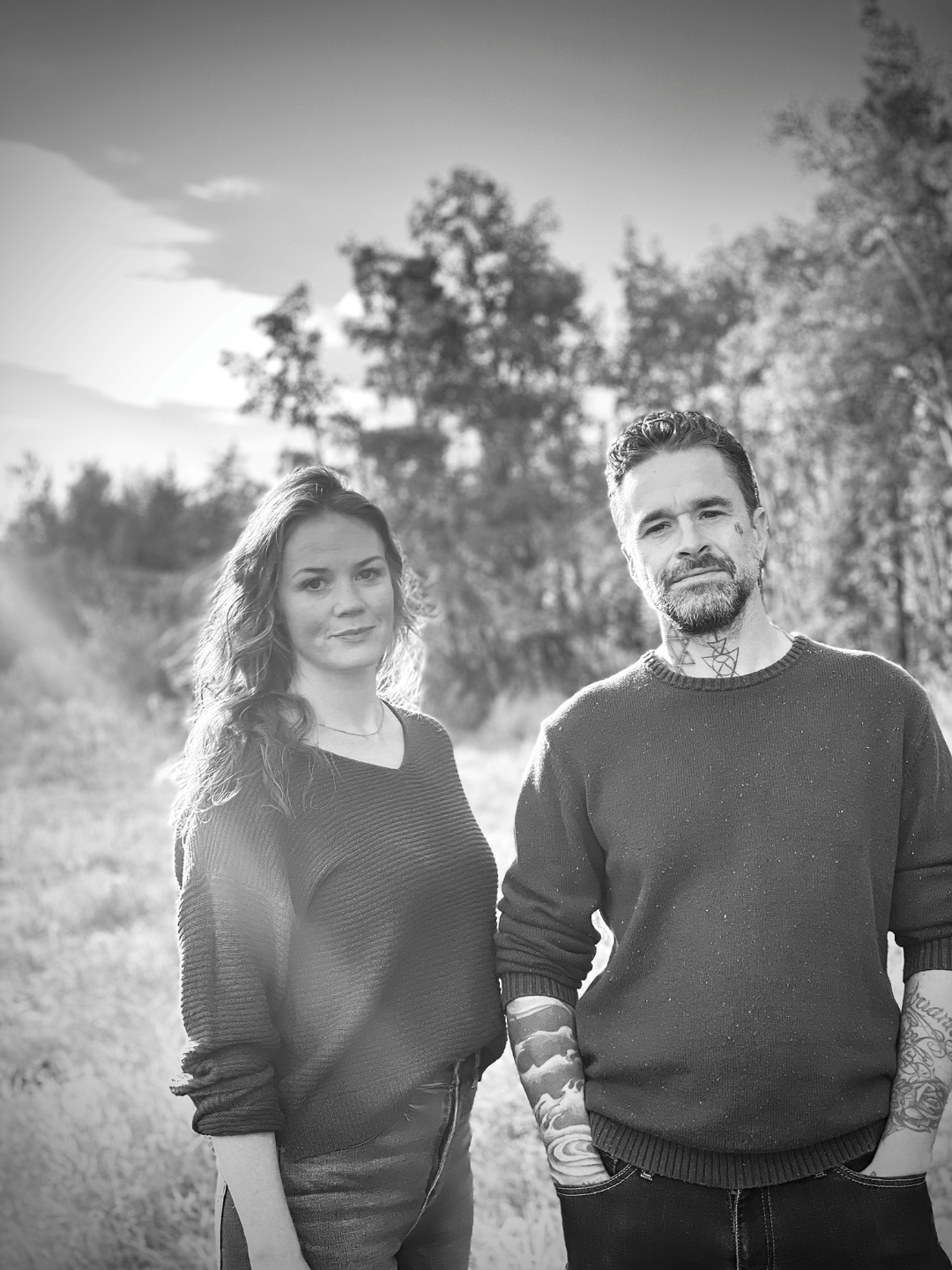
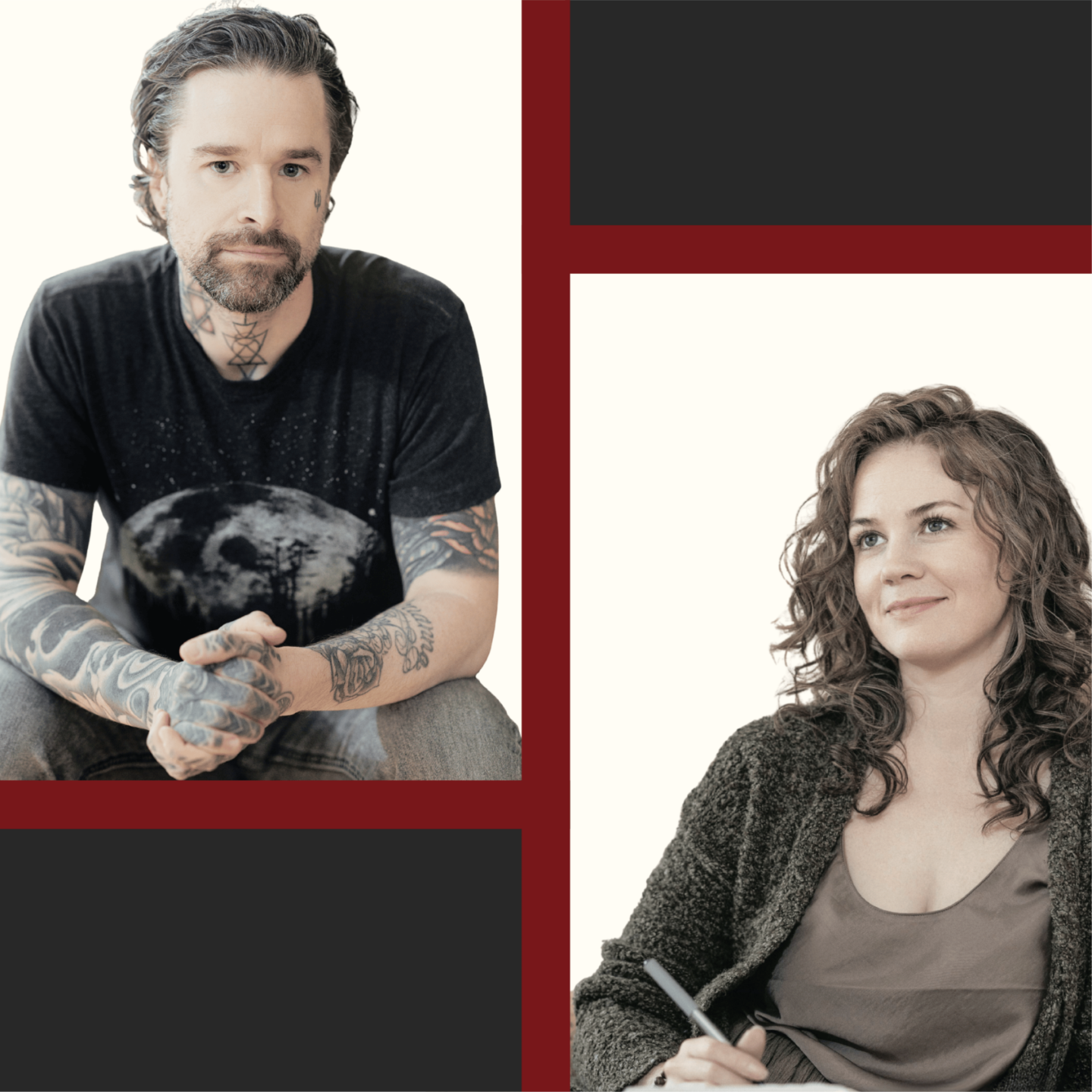
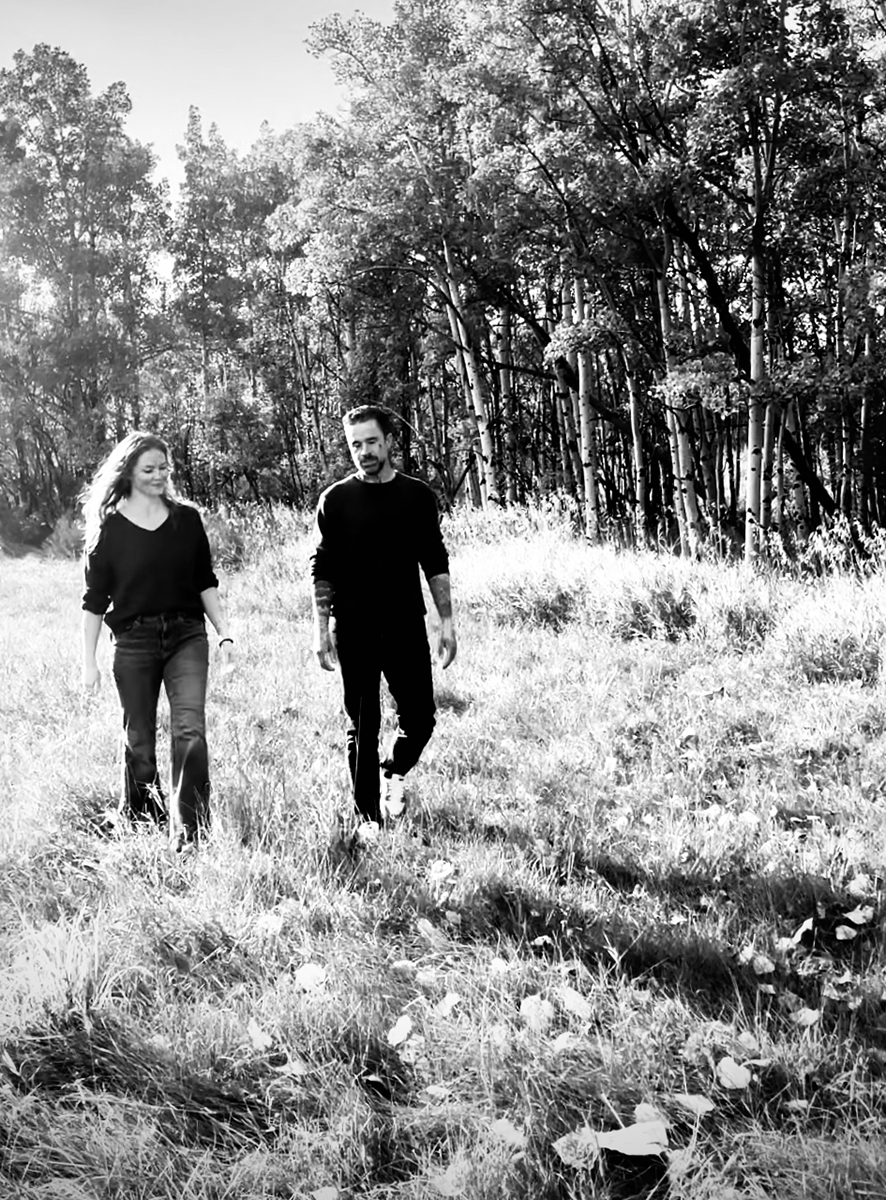
Meet Aaron and Alissa
A therapist couple. Two distinct practitioners.
One shared method.
We are partners, co-founders of The AUM Institute, and co-creators of The Somatic Integration Method™.
You’ll work one-on-one with either Aaron or Alissa. We share the same therapeutic foundation while bringing our own personality, experience, and way of relating to the work.
Our approach has been shaped through years of training in trauma, attachment, nervous-system regulation, relational therapy, contemplative practice, and our own lived experience of relationship, family, rupture, repair, and growth.
During your consultation, we can help you decide which of us feels like the better fit.
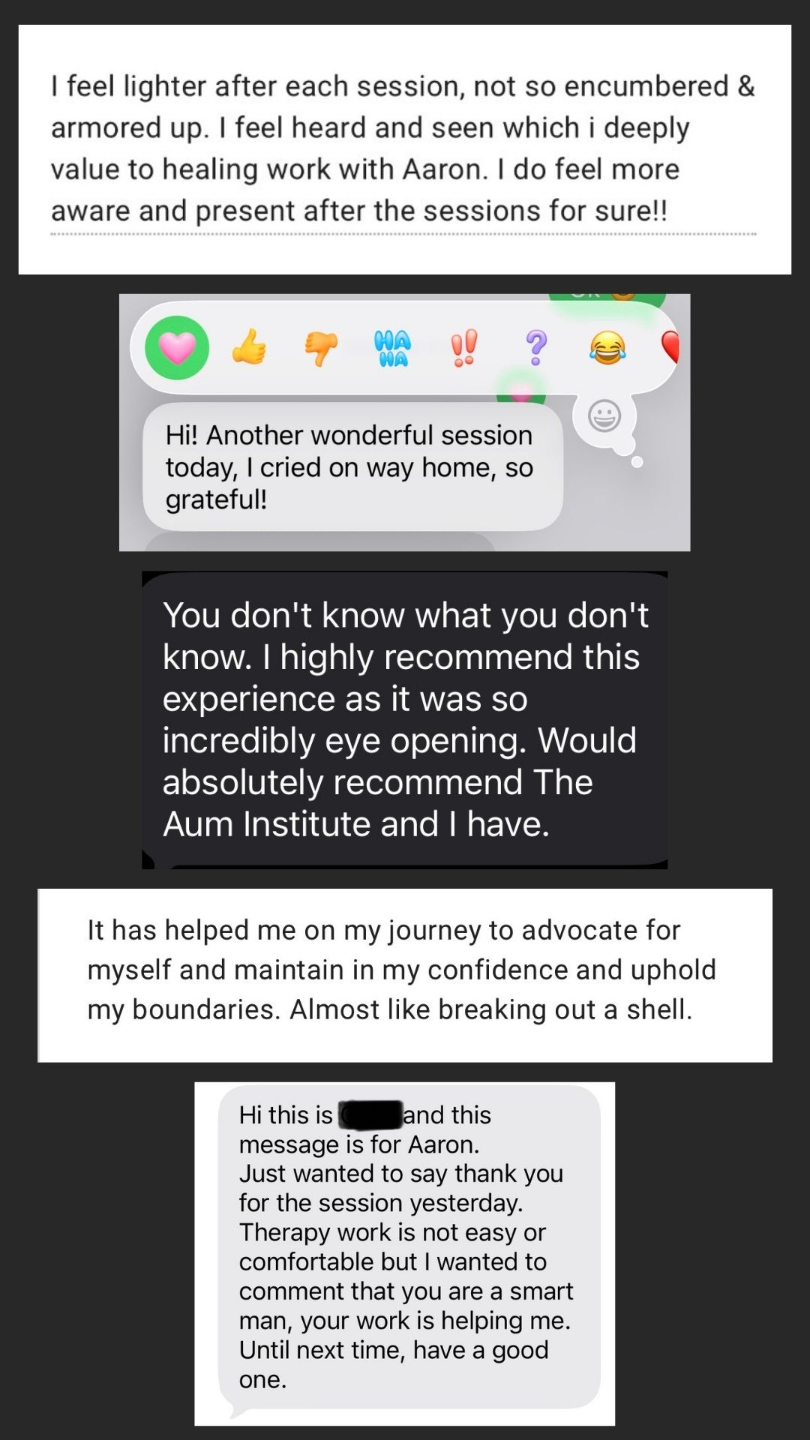
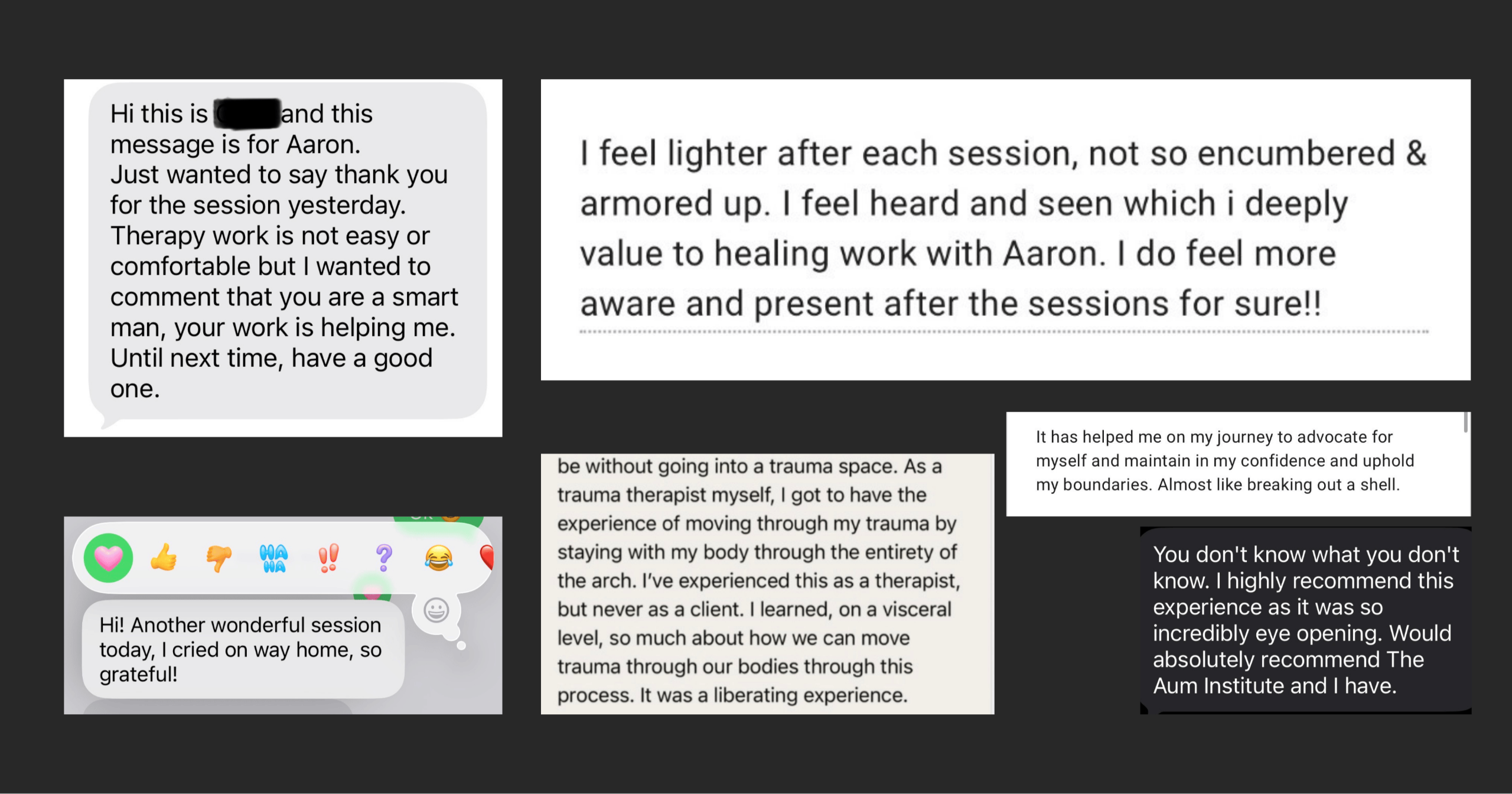
Real Words From Our Clients
"The space in their home is incredibly inviting and filled with positive, healing energy. Aaron is, without a doubt, the most empathetic and genuine professional I have ever worked with while processing my trauma. He is kind, knowledgeable, and thoughtful in his approach. Since working with him, I have been sleeping better and have experienced many meaningful breakthroughs. I am deeply grateful for his guidance and support."
Review from Amie Smith on Google
A PRIVATE, GROUNDED SPACE IN SOUTHWEST CALGARY
Our private studio offers a quiet, low-stimulation environment where you can slow down and notice what is happening through sensation, breath, posture, movement, emotion, and relationship.
Sessions may include conversation, guided somatic exploration, grounding, movement, or consent-based therapeutic touch when appropriate.
Appointments are available seven days a week, including evenings. Online sessions are also available through Zoom.
LEVELS OF
SUPPORT
Some people come with one clear concern. Others want more time to explore patterns that have been shaping their lives for years.
FOUNDATIONS
90 Minutes of Focused Support
A place to begin, return for support, or focus on something specific that is present in your life right now.
- Focus on what feels most relevant in the moment
- Explore what is happening through sensation, emotion, thought, movement, and relationship
- No ongoing commitment required
FOUNDATIONS
90 Days of Focused Support
For a specific concern, transition, or recurring pattern that deserves more continuity.
- Understand the patterns connecting your history and present-day experience
- Build greater capacity for regulation, presence, and choice
- Begin integrating what still feels unresolved
- Create enough continuity for new responses to start taking hold
By application only. Start with a free consultation.
ONGOING INTEGRATION
Longer-term Focused Somatic Support
For deeper patterns that need time, repetition, relationship, and integration.
- Strengthen regulation, connection, boundaries, and self-trust
- Practise new responses through repetition, relationship, and lived experience
- Integrate change across relationships, work, creativity, and everyday life
- Deepen the work over time as new layers emerge
WHERE DO YOU BEGIN?
You do not need to decide before we meet.
Start with a free 45-minute online consultation.
Start With a Free ConsultationWHAT IT FEELS LIKE TO BE MET DIFFERENTLY...

Ariel M.
"I’m not someone who opens up easily. I tend to hold everything in because I don’t want to burden anyone. When I arrived for my first appointment, I was so nervous I almost turned around. But the moment I walked in, said hello, and stepped into the calm, welcoming space, I felt something shift. I felt okay. For the first time, I don’t feel like a lost cause. When I walk into a session, I immediately relax. I feel safe. I feel heard. I feel like a human being—not a case file or a time slot. I leave each session feeling like a new version of myself—more alive, more focused, and with a little hope showing through on a face that usually carries pain."

Breanna L.
"Working with Alissa has been one of the best decisions I've made to improve my mental health. She understands that one size doesn't fit all and creates a truly judgement free and safe environment which has led to me seeing quicker progress than other approaches I've taken."
THE DEEPER ARC OF THE WORK...

Integration
Bringing to completion what has not yet been able to complete.
Trauma can leave parts of our experience and self unfinished. Integration brings attention to what remains unresolved so it can soften, reorganize, and become part of the present.
Reconnection
Returning to relationship with yourself, others, and life.
As protective patterns loosen, there is more room for boundaries, closeness, trust, expression, pleasure, and connection without losing yourself.

Awakening
Living with greater presence, freedom, and aliveness.
As less of your life is organized around protection, more of your vitality, curiosity, creativity, and presence becomes available.
FAQ
What is Attachment Therapy?
Can attachment patterns actually change?Can attachment patterns actually change?
How is Attachment Therapy different from talk therapy?
What does nervous system regulation have to do with attachment?
Will I have to re-live all my past trauma?
Are you psychologists, counsellors or psychiatrists?
What happens in an Attachment Therapy session?
Where are you located?
NOT SURE WHERE TO BEGIN?
START WITH A FREE ATTACHMENT THERAPY CONSULTATION
Beginning attachment work can feel like a big step.
The consultation gives you a chance to tell us what has been happening, ask your questions, and get a sense of whether attachment therapy through The Somatic Integration Method™ feels like the right fit.
We can also help you decide whether Aaron or Alissa may be the better fit, and what level of support makes the most sense for you.
Book a Free Consultation